Most guides to AI art styles organize by art history — here’s Impressionism, here’s Cyberpunk, here are the dates. That’s useful if you’re studying art, not if you’re trying to decide what images belong on your product page.
The real question is different: what does your brand need to communicate, and which style communicates it? A wellness blog and a SaaS landing page both need quality imagery, but they need completely different emotional registers. Picking a style that looks impressive in isolation but clashes with your content undermines both the visual and the SEO work behind it.
This guide organizes all 36 styles by brand type and use case. Every style appears once, assigned to where it performs best — with secondary uses noted where they’re genuinely applicable.
Tech, SaaS & Digital Products
These styles were either designed for digital interfaces or translate directly to screen-native aesthetics. They read as modern without effort and communicate precision, reliability, and polish — which is what tech brands need.
Flat Design is the baseline for SaaS and app marketing. Geometric shapes, bold colors, zero shadows or depth effects. It’s clean in a way that doesn’t date quickly and works equally well for product screenshots, feature illustrations, and blog headers. If you’re building a tool and need images that feel native to software, start here.
Material Design adds a subtle elevation system to flat aesthetics — card shadows, structured grids, primary color accents in the Google tradition. Strong for Android-ecosystem content, fintech, and enterprise SaaS where the Google Design language is a trust signal.
Glassmorphism uses frosted glass effects with luminous depth and soft transparency. It dominated fintech and crypto landing pages from 2021 onward and still reads as premium tech. Best used for hero images and feature highlights where visual richness matters more than clarity.
Neumorphism takes a different approach — soft extruded surfaces that appear pressed from the background, monochromatic palette, tactile 3D quality. More restrained than Glassmorphism. Works well for UI design content, design portfolio pieces, and tech brands that want refinement over showiness.
Isometric 3D renders objects on a 45-degree grid with flat shading, giving explainer-content energy to complex ideas. SaaS products and B2B tech brands use it constantly for feature illustrations. It’s the style that makes abstract concepts — dashboards, data flows, integrations — visually legible.
Dark Mode goes beyond just dark backgrounds. Electric accent colors, near-black surfaces, premium tech atmosphere. Purpose-built for developer tools, crypto and Web3 brands, and any SaaS that wants to signal technical depth. Pairs naturally with code-heavy content.
Bauhaus brings the 1919 design school’s principles to modern contexts: bold primary colors, geometric shapes, mathematical grid structure. It reads as design-literate without being obscure, making it genuinely useful for design agencies, architecture firms, and tech brands that want to project seriousness rather than playfulness.
Luxury, Fashion & Premium Brands
These styles carry inherent associations with wealth, taste, and aspiration. They work when your brand needs to justify a premium price point or position itself in a category where aesthetics are part of the value.
Art Deco is the clearest shorthand for 1920s luxury: gold and black geometry, streamlined elegance, glamour without excess. Fashion brands, high-end hospitality, event marketing, and anyone running a premium product launch can reach for this with confidence. It’s unambiguous about what it’s communicating.
Rococo is more delicate — pastel tones, feathery brushwork, ornamental curves. It reads as feminine luxury and works for wedding brands, lifestyle fashion, and editorial content with a refined sensibility. Less bold than Art Deco, more atmospheric.
Art Nouveau bridges natural and decorative: flowing botanical forms, Mucha-inspired composition, elegant line work. Beauty brands, wellness with a heritage angle, and luxury products benefit most. It’s the style that says handcrafted without saying rustic.
Minimalism earns its place here because restraint is its own luxury signal. Maximum white space, single focal points, nothing extraneous. Architecture firms, high-end portfolios, and SaaS products positioned as premium all use this effectively. The challenge is execution — minimalism fails when it reads as empty rather than intentional.
Editorial mimics high-end magazine photography: bold composition, generous negative space, sophisticated color palette. Media brands, fashion content, and lifestyle blogs reaching for a Vogue or Kinfolk aesthetic use this well. It’s the style that makes product content feel like culture.
Editorial, Storytelling & Creative Content
These styles prioritize emotional resonance over precision. They’re built for content that wants to make people feel something — travel writing, personal essays, longform journalism, creative brand storytelling.
Impressionism is the most versatile style in this category. Dappled light, loose brushwork, vibrant color that doesn’t feel aggressive. It works for food content, travel writing, home decor, lifestyle blogs, and any context where warmth and approachability matter. More contexts than you’d initially think.
Romanticism reaches further emotionally: sublime landscapes, dramatic storm-lit skies, the feeling of something vast and overwhelming. Literature sites, travel content with an adventurous edge, poetry, and music publications use this naturally. It’s unapologetically emotional in a way most styles aren’t.
Post-Impressionism captures Van Gogh’s swirling energy and Cézanne’s structural experiments — expressive color, visible brushwork, images that feel charged with intention. Art blogs, creative agencies, and music content benefit from its combination of visual energy and cultural reference.
Expressionism turns the dial further: distorted forms, psychological color, raw emotional force. Mental health awareness content, music journalism, and art blogs use this when they need imagery that matches difficult subject matter. Not a default choice, but the right one in specific contexts.
Surrealism produces Dalí-adjacent impossible dreamscapes — hyperreal rendering of things that can’t exist. Creative agencies, luxury fashion brands that want to surprise, and editorial content that needs to stop a scroll use this effectively. The risk is it can overwhelm the text it’s meant to support.
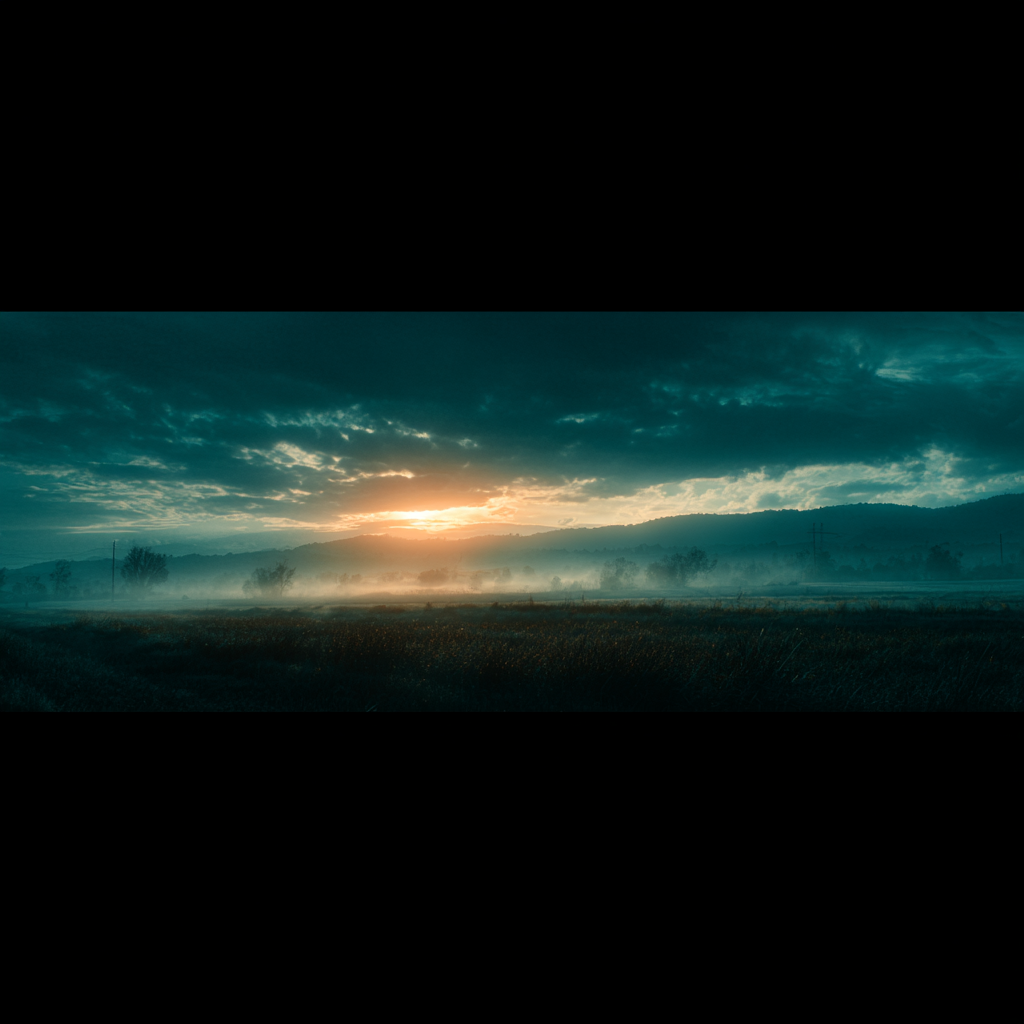
Cinematic applies film production aesthetics to still images: teal-orange color grade, film grain, anamorphic widescreen quality. Entertainment brands, travel content with narrative ambition, and storytelling-driven companies all benefit. It makes ordinary subjects look like movie stills.
Photorealism sits slightly apart — studio-quality, shallow depth of field, natural lighting. E-commerce, real estate, hospitality, and product photography contexts where a rendered image needs to pass for a photograph. The SEO use case is strong because these images function like photography without the production cost.
Gaming, Entertainment & Subculture
These styles have strong community associations. They work when your audience recognizes and values them, and fall flat when they’re used without that context.
Cyberpunk is neon lights on wet streets at night, dystopian atmosphere, technology as threat. Gaming content, tech brands with a darker edge, music content in electronic and industrial genres, and entertainment brands lean into this. It signals insider knowledge to communities that live in this aesthetic.
Vaporwave remixes 80s consumerism into something nostalgic and surreal: pink-purple gradients, retro grid floors, classical sculpture in digital spaces. Music content, entertainment brands, and creative agencies with Gen-Z or millennial audiences use this well. It has a strong irony-adjacent quality that doesn’t work for every brand.
Pixel Art is 16-bit retro gaming rendered intentionally — chunky pixels, limited color palettes, deliberate lo-fidelity. Gaming content and retro-branded products are obvious fits. It’s also increasingly used by creative brands as a nostalgia signal that reads as intentional rather than dated.
Retro Futurism imagines the future as the 1960s saw it: chrome finishes, space-age optimism, atomic age design language. Tech brands with a playful streak, space-adjacent content, and creative agencies use this for its combination of forward-looking optimism and vintage warmth. It’s friendlier than Cyberpunk, more distinctive than generic retro.
Lo-Fi borrows from the aesthetic that built a genre: warm anime-influenced illustration, soft grain, cozy interiors and rainy windows. Study apps, wellness brands, music content, and lifestyle blogs use this when they want calm and approachability. It’s the style most associated with a specific emotional state — settled, comfortable, focused.
Lifestyle, Wellness & Sustainability
These styles share an orientation toward the organic, the optimistic, and the anti-industrial. They work when your content is about how people live rather than what they use.
Cottagecore is the most literal version of this: golden pastoral light, wildflowers, handmade warmth, the aesthetics of an idealized rural life. Food content, lifestyle blogs, wellness brands, and home and garden sites use this for its combination of warmth and aspiration. It photographs well and carries strong lifestyle associations.
Solarpunk looks forward rather than backward — green technology woven into lush cities, solar infrastructure, utopian community aesthetics. Sustainability brands, environmental organizations, and green tech companies use this when they need imagery that makes the sustainable future look desirable rather than austere.
Pop Art appears here because Warhol-inspired bold graphics work surprisingly well for food, retail, and social-first content where stopping power matters more than subtlety. Flat color, halftone dots, screen-print quality — it’s bold in a way that performs in thumbnail-size image search results.
History, Culture & Education
These styles earn their place when there’s a genuine conceptual connection to the content — not as decoration, but as context. Used without that connection they read as arbitrary.
Ancient Egyptian is one of the most visually distinctive styles in existence: flat profile figures, hieroglyphic elements, gold and ochre palette. History sites, cultural brand campaigns, and editorial content covering antiquity or mythology use this with clear justification. It doesn’t need explanation when the context is right.
Greek Classical applies red-figure pottery aesthetics and classical sculpture to modern imagery. Education platforms, museum content, philosophy and humanities publications, and travel content covering the Mediterranean use this naturally. It communicates intellectual seriousness.
Byzantine brings mosaic gold backgrounds, jewel tones, and tesserae texture — highly decorative and visually commanding. Art history content, luxury brands with a heritage angle, and editorial content that needs something visually rich and unfamiliar to contemporary audiences.
Medieval Illuminated replicates manuscript aesthetics: gold borders, intricate detail, vellum texture, jewel-toned illustration. History blogs, fantasy content, book publishing sites, and editorial work where a sense of handcrafted antiquity adds to the content rather than distracting from it.
Renaissance is Da Vinci-influenced sfumato and chiaroscuro — classical portraiture, atmospheric landscapes, warm directional light. Art education content, luxury brands with a classical positioning, and editorial work that wants timeless rather than trendy. It ages better than almost any other style on this list.
Bold, Graphic & Conceptual
These styles make an argument with their composition. They don’t sit quietly next to text — they compete with it. Use them when that tension is intentional.
Cubism fragments subjects into geometric planes seen from multiple angles simultaneously. Design agencies, abstract content, and tech brands using art as a conceptual signal rather than decoration get the most from this. It signals visual intelligence but requires an audience that values that.
Abstract Expressionism is gestural, physical, raw — large-scale brushwork, emotional color, surfaces that record the act of painting. Art content, creative agencies, music brands in emotionally intense genres, and luxury brands that want depth rather than refinement use this effectively.
Surrealism — already covered in the editorial section, but worth noting here that its conceptual depth makes it equally valid for brands that want to be surprising. The key is whether the audience reads the visual language as intentional or confusing.
Brutalist Web applies architectural brutalism’s principles to visual design: raw contrast, exposed structure, rejection of ornamentation. Design agencies, architecture firms, editorial brands with a sharp editorial voice, and content that’s deliberately challenging its audience use this when they want to signal that aesthetics-as-usual isn’t the goal.
Baroque earns a second mention here because its dramatic chiaroscuro and extreme light-dark contrast read as bold and graphic as much as they read as luxury. Theatre, music, high-drama editorial, and brands that need imagery with physical weight rather than delicacy use this for its visceral impact.
Choosing From Here
The decision isn’t which style looks best to you — it’s which style matches what your content needs to communicate to your specific audience. Run the same image through two different styles and the gap is immediately obvious: one will feel right and the other will feel like a costume.
A few practical filters:
If your audience is niche and knows the style vocabulary (gaming, music genres, design communities), lean into styles with strong subculture associations — Cyberpunk, Pixel Art, Vaporwave, Lo-Fi. They signal membership.
If your audience is broad and the brand needs to be immediately legible, styles with clear genre associations work better: Art Deco for luxury, Flat Design for tech, Impressionism for lifestyle warmth. No prior knowledge required to read the signal correctly.
If you’re optimizing for image search, visual distinctiveness matters. A Glassmorphism image and a Minimalist image will look completely different in a search result grid — one is more likely to earn the click. Match the style’s distinctiveness to how competitive your image search category is.
Browse the full gallery at pixelseo.ai/gallery/ — each style page shows portrait and landscape examples so you can evaluate both orientations before generating.